
Turmoil at Stamford Bridge: Chaotic Pre-Season Raises Concerns
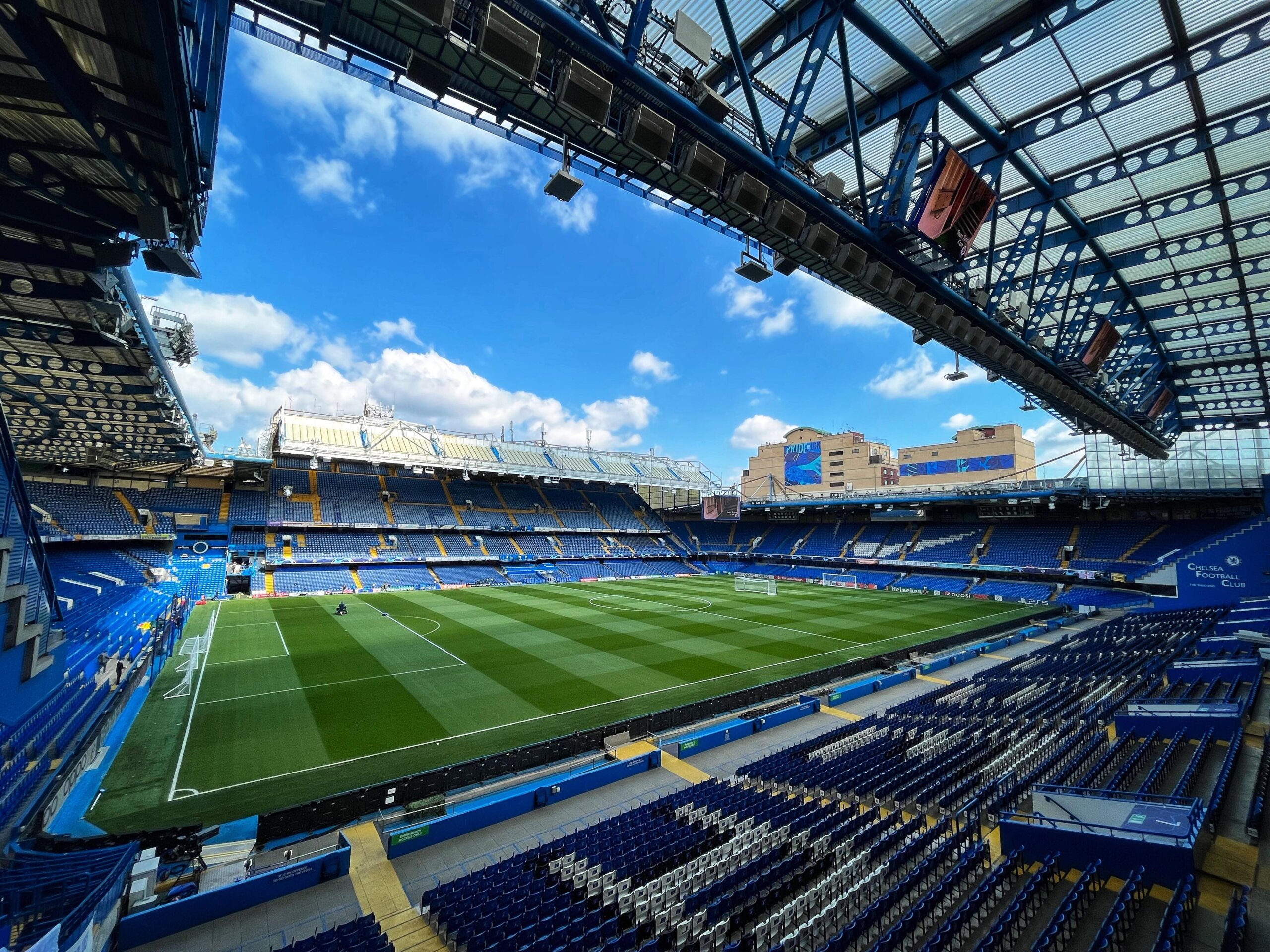
Pre-season is typically about assessing performance rather than focusing on results. However, it’s important to consider what managers aim to achieve in each match, as clubs might be at different stages of their physical preparation or working on specific tactical plans. These games are merely a means to an end, and reading too much into pre-season results is often unwise. Yet, despite this understanding, it’s difficult not to feel a slight unease when reflecting on Chelsea’s pre-season outings.

Under Enzo Maresca, Chelsea’s pre-season record stands at six games played with just one win, which came against Mexican champions Club América, who currently sit ninth in their domestic league four games into the season. Chelsea’s preparation has been tough, featuring matches against the champions of England, Spain, Scotland, and Italy, along with a game against Wrexham, who were recently promoted from League Two. It’s been a demanding schedule, and while the 4-2 loss to Manchester City might not fully reflect the game’s flow—considering early setbacks from a soft penalty and a wayward backpass—the sense of concern persists.
But it’s not just the results causing worry; there’s a growing sense of disarray within the club. After the initial spending spree following the Clearlake takeover, which saw £1 billion invested in 28 senior players, this period was supposed to mark the beginning of consolidation. The narrative was that by signing young players, the need for constant upheaval would diminish as the project matured, with players growing into their roles at the club. However, this summer, Chelsea added nine more players at a cost of £160 million, with two additional signings already planned for next season.
An attempt to sign the highly-rated 20-year-old forward Samu Omorodion from Atlético Madrid fell through due to contract disagreements, leading to talks about a potential move for João Félix. This seems like the behavior of a club desperate for the rush of a new acquisition: if one Atlético forward doesn’t work out, why not try for another, even if he’s a completely different type of player?
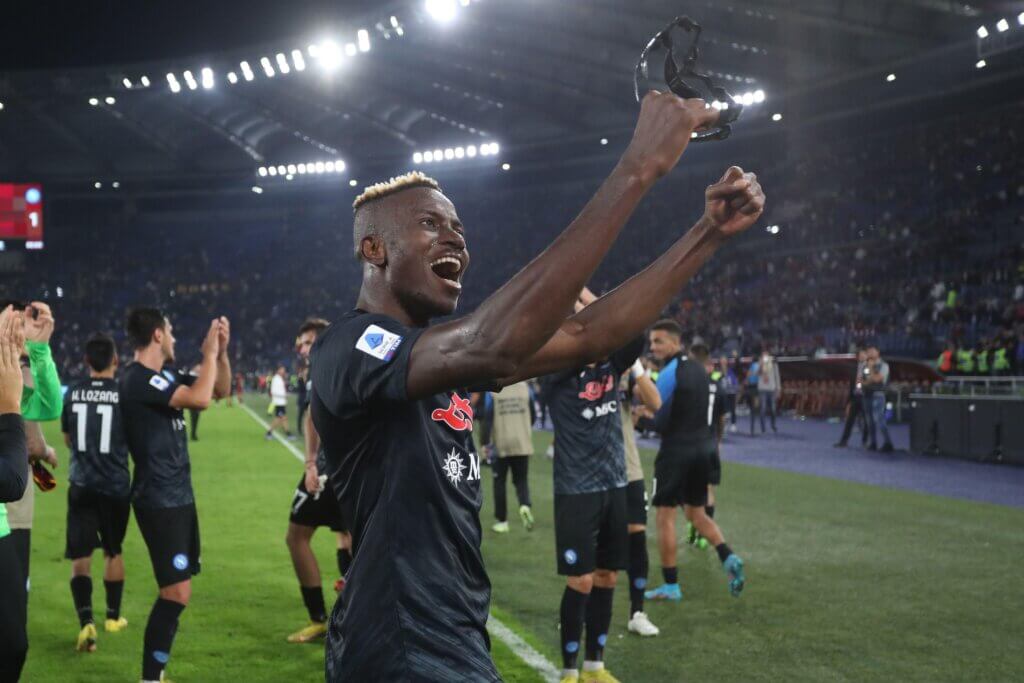
Ongoing negotiations to sign Victor Osimhen from Napoli suggest that Romelu Lukaku—still, astonishingly, a Chelsea player—might be heading in the opposite direction. Lukaku, who has spent six seasons on Chelsea’s books across two stints, has only played 36 league games for the club, with the rest of his time spent on loan at West Brom, Everton, Inter Milan, and Roma.
This summer’s marquee signing has been Pedro Neto, brought in from Wolves for £51 million. Neto, at 24, is undoubtedly talented and known for troubling full-backs, although there are concerns about his goal-scoring record. His arrival feels like the kind of signing that would have made sense in the pre-Clearlake era. However, it raises questions about the future of Chelsea’s other wide forwards like Raheem Sterling, Mykhailo Mudryk, and Noni Madueke—are they not meeting expectations?

Meanwhile, Filip Jørgenson has become the seventh goalkeeper on Chelsea’s roster, and Omari Kellyman has joined the already crowded group of players capable of playing off a striker. It’s reminiscent of a bride anxiously swapping venues just before her wedding, as Chelsea traded Lewis Hall for Kiernan Dewsbury-Hall. If there’s a discernible pattern, it’s an investment in youth, likely with an eye toward future trading—a necessity given profit and sustainability regulations. While amortization through long contracts might be a clever accounting strategy for short-term spending, the bills will eventually come due.
This explains why Hall, Omari Hutchinson, and Ian Maatsen were sold for a combined £86 million, with expected sales of Conor Gallagher—close to joining Atlético—and Trevoh Chalobah—linked with Crystal Palace and Aston Villa—likely to push that total to around £150 million. All five are academy products, which means their sales are pure profit, with no amortized fees to consider. Yet, the fact that Chelsea had to sell two hotels between different parts of their business suggests that profit and sustainability regulations remain a concern—and soon, there may be no academy players left to sell.
It’s easy to forget that Chelsea actually performed quite well after Christmas last season, securing a spot in the Europa League and reaching the League Cup final. But then Mauricio Pochettino left by mutual consent—usually a euphemism—though he didn’t seem particularly upset to be leaving the chaos, which now includes a £100 million-plus midfielder, Enzo Fernández, who recently made headlines for engaging in racist and homophobic chants while celebrating a Copa América victory.

There are positives for Maresca: Cole Palmer shone last season; Malo Gusto showed great promise; Marc Cucurella, after a shaky start, flourished and had an excellent Euros. Christopher Nkunku appears to be fit after last season’s injury troubles. Chelsea have plenty of talented players, but the question remains: can any manager, amidst the constant upheaval, ever establish a coherent system for them?